Data-driven pages at scale
Programmatic SEO That Scales Useful Pages From Data
I design programmatic SEO systems that turn structured data into pages people use: location pages, comparison pages, integration pages and directories. Each page answers one search with facts from the dataset, not filler.
- One search intent per generated page
- Datasets validated before templates ship
- Indexation tracked by page cohort
On this page
Add a header to begin generating the table of contents
Why Most Programmatic SEO Pages Never Get Indexed
Most programmatic SEO pages fail for one reason: they swap a city or product name into the same paragraph and add nothing new. Google calls that scaled content abuse. Programmatic SEO, which builds many pages from one dataset and one template, works when every page carries data a searcher can’t get on the next page.
I start with the dataset, not the template. If the data can’t make each page different and useful, the page doesn’t ship. I check demand in Google Search Console, Bing Webmaster Tools and keyword data, then build only the page sets people search for.
What's included
Programmatic SEO Strategy for Pages Google Indexes
A programmatic page set is only as strong as its weakest layer. These components decide whether pages earn indexing, rankings and AI citations, or sit in the crawled, not indexed report.
01
Programmatic SEO Dataset Design and Unique Page Data
The dataset is the product. I define the entity behind each page, such as a city, a software integration or a product model, and the attributes that set it apart. Rows with thin or duplicate data get merged or held back before a page exists.
02
Programmatic SEO Keyword Research With Head Terms and Modifiers
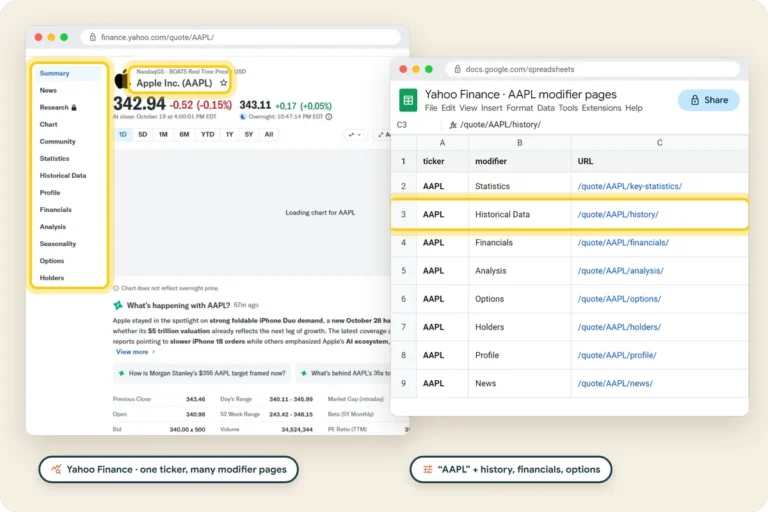
I map a head term against its modifiers, such as a service plus a city or a tool plus an integration. Search Console, Bing Webmaster Tools and keyword data size each combination. Combinations with no demand never become pages.
03
Programmatic SEO Page Templates That Render Unique Data
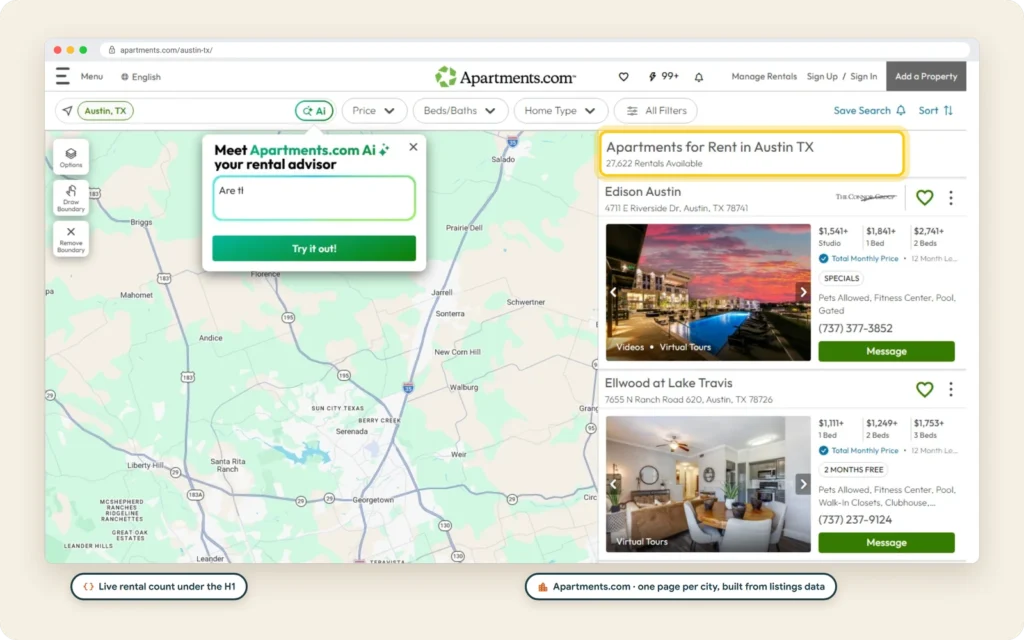
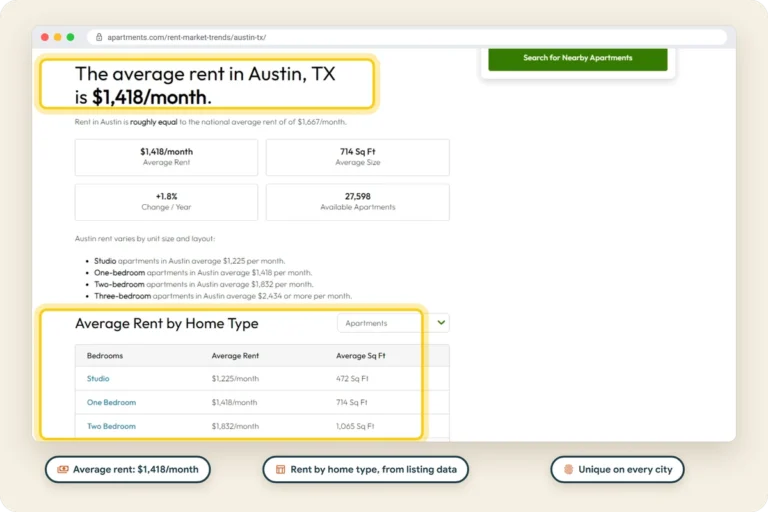
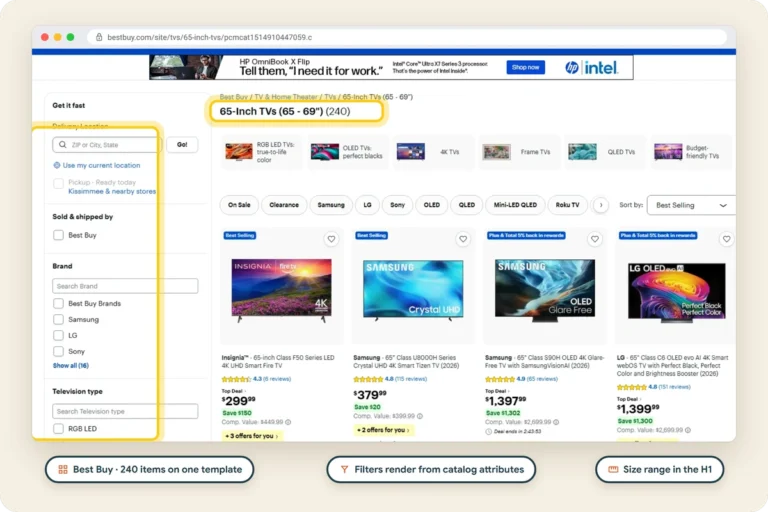
A strong template puts the data a searcher came for near the top: the table, the comparison, the price range, the map. Modules render only when their field has data. Structured data labels the same facts that are visible on the page.
04
Internal Linking for Programmatic SEO Pages at Scale
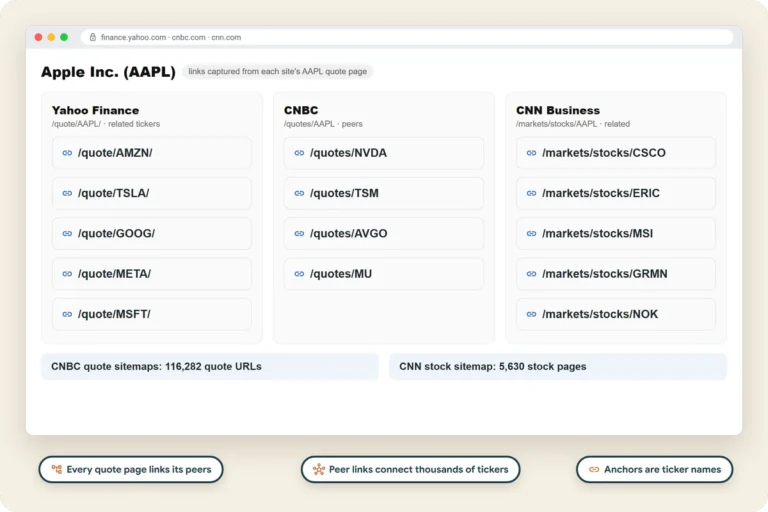
Generated pages need paths in. I build hub pages by parent entity, breadcrumbs, related-entity modules and sibling links, so crawlers reach deep pages in a few clicks. Anchor text comes from the data, which keeps it descriptive and varied.
05
Indexing Programmatic Pages With Sitemaps and Noindex Rules
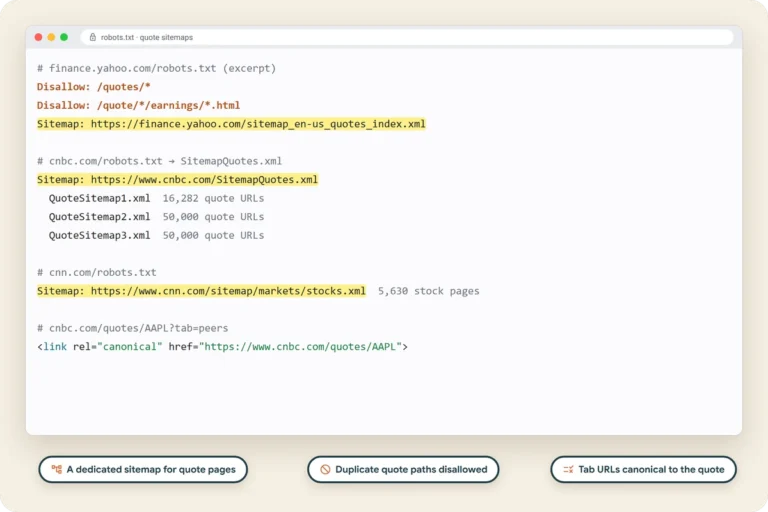
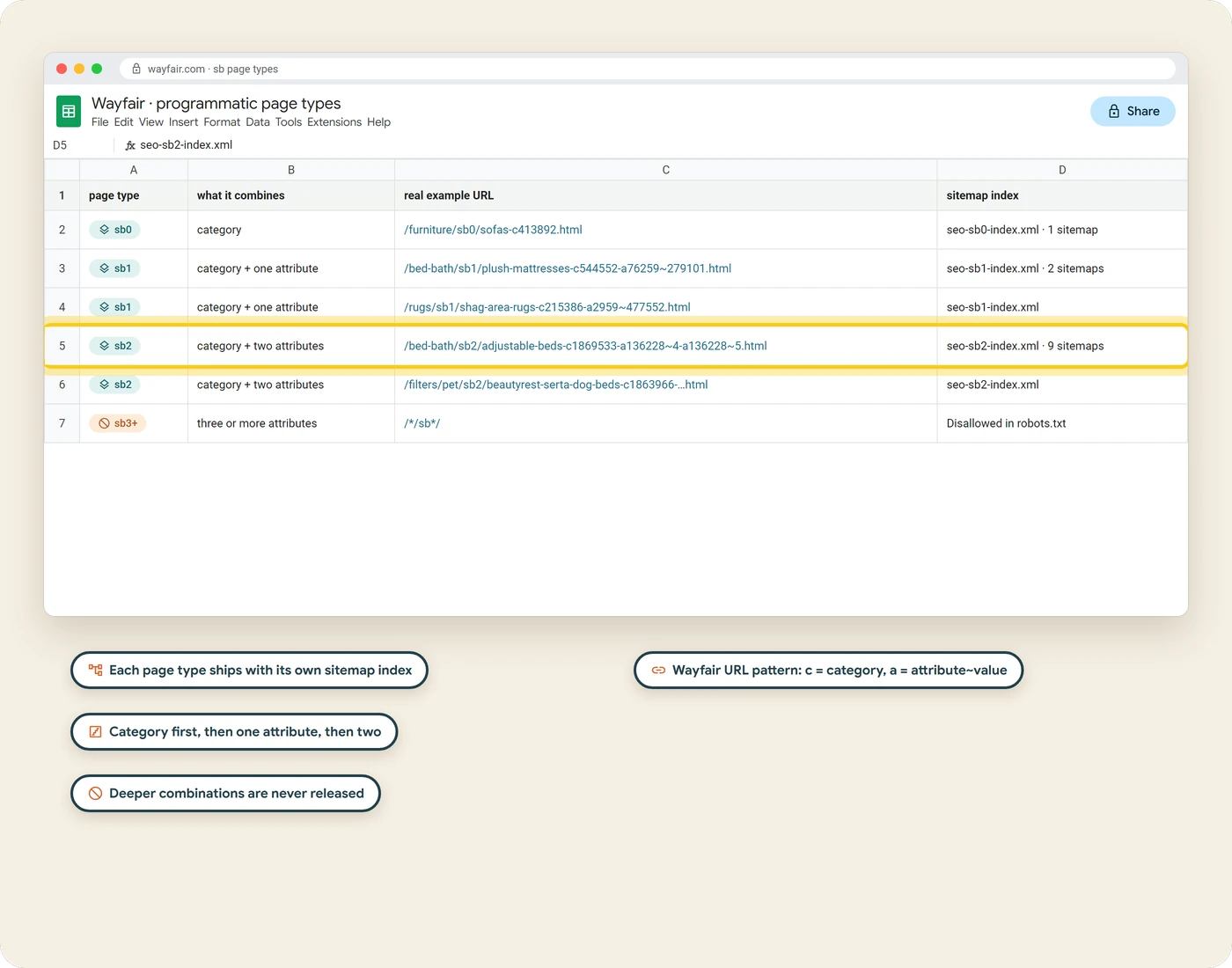
Not every page should be indexed at launch. I set quality thresholds, such as minimum data coverage, then use noindex, canonicals and XML sitemap segments to release pages in cohorts. Search Console coverage by cohort shows what Google accepts.
06
Programmatic SEO for AI Overviews and ChatGPT Citations
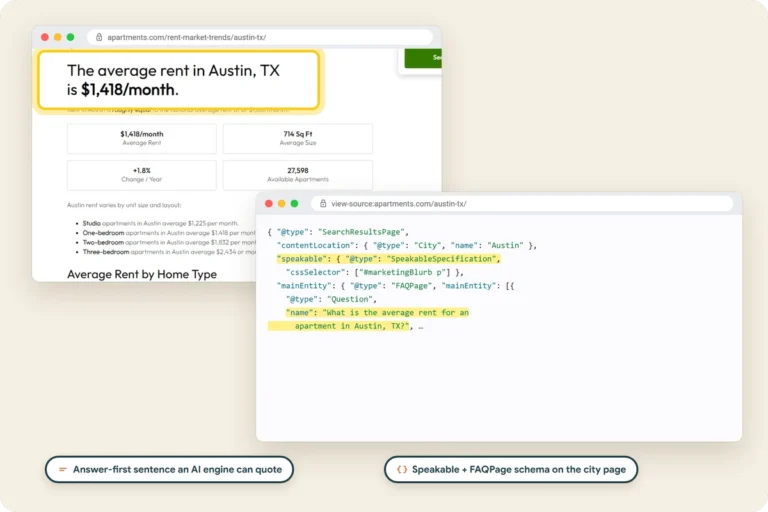
Google AI Overviews, ChatGPT and Perplexity cite pages that state facts plainly. I give each page a direct answer, a fact table and clear entity names, so an AI engine can lift a figure with the source attached. Prompt testing shows which pages get cited.
How it works
Launching Programmatic SEO Pages in Small Batches
Step 1 · DATASET
Auditing Programmatic SEO Data Before Building Pages
I audit the source data for coverage, freshness and duplicates, then match each entity to search demand. Every planned URL ends up with a query, a data record and a reason to exist.
Step 2 · TEMPLATE
Testing Programmatic Page Templates on Sparse Data
I build each template against the weakest records first: missing fields, small markets, products with few reviews. If the page still helps a searcher, the template is ready. If not, the rules change.
Step 3 · LAUNCH
Publishing Programmatic Pages With XML Sitemap Segments
Pages go live in batches, each with its own XML sitemap segment and links from hub pages. Cohorts show which page types Google indexes and which need more data before the next release.
Step 4 · MONITOR
Tracking Programmatic SEO Indexing in Search Console
I track indexing, impressions and clicks by cohort in Google Search Console, crawl activity in server logs and AI citations through prompt testing. Cohorts that earn traffic expand. Cohorts that stall get improved, merged or removed.
Engagement options
Programmatic SEO Spam Risks and Thin Content
Programmatic SEO can’t guarantee indexing, rankings or AI citations, and Google’s spam policies target pages made mainly to rank. These risks cause most failures, and each one is visible before launch.
Doorway Pages From Keyword-Swapped Templates
Pages that only swap a keyword into identical text read like doorway pages. Search engines index a few of them and ignore the rest.
- Require unique data fields on every page
- Hold back rows below the data threshold
- Merge near-duplicate entities into one page
Most common
Index Bloat From Low-Demand Page Combinations
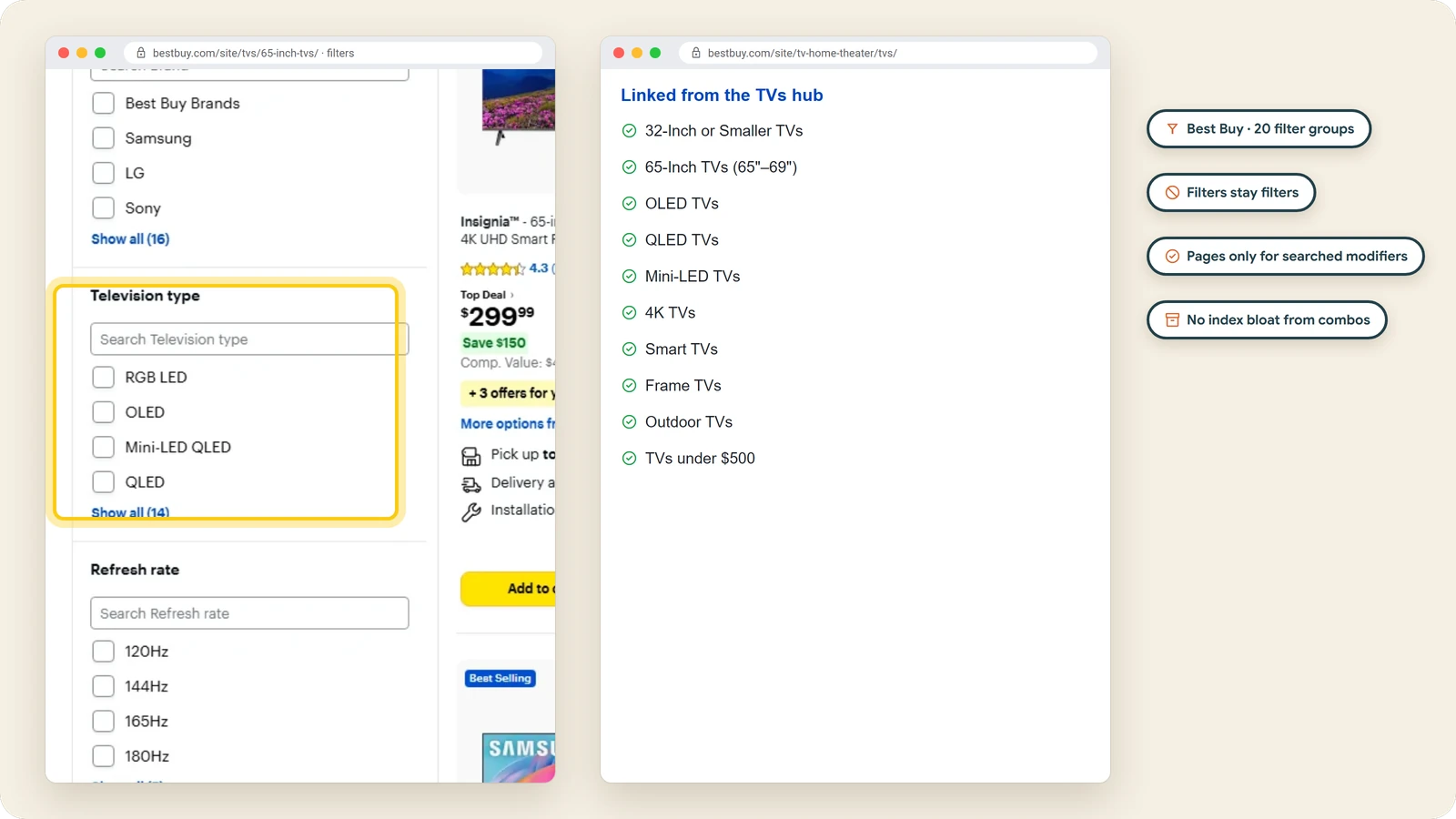
Every filter, modifier and location combination can become a URL. Without demand checks, crawlers spend their time on pages nobody searches for.
- Publish only combinations with search demand
- Segment sitemaps by page type and cohort
- Remove pages that never earn impressions
Stale Data Errors Repeated Across Generated Pages
One broken feed can publish the same error on every page. Outdated prices, closed locations and empty fields erode trust with searchers and AI systems.
- Validate the dataset before every publish
- Show update dates sourced from the data
- Alert on empty fields and broken modules
FAQ
Programmatic SEO and Google Scaled Content Abuse Policy
Is programmatic SEO against Google's guidelines?
No. Google's spam policies target scaled content made mainly to manipulate rankings, whether a person, a template or AI produces it. Programmatic pages that give each searcher unique, accurate data are fine. Pages that only swap keywords into the same text are the problem.
Can AI write programmatic SEO pages?
Yes, with limits. I use large language models to draft conditional copy and summaries from the dataset, with human review on every template. AI text without unique data underneath still reads as scaled content, so the data comes first.
How many pages should a programmatic SEO launch include?
Fewer than most teams expect. I launch the cohort with the strongest data and clearest demand, then expand once Search Console shows those pages indexed and earning impressions. Scaling a page type Google won't index only multiplies the problem.
Related SEO Capabilities for Programmatic SEO
SEO Site Architecture
Plan taxonomy, hub pages and internal links so generated pages sit in a structure crawlers can follow.
Technical SEO
Control crawling, canonicals, sitemaps and rendering for large page sets.
AI Search Optimization
Structure facts and entities so AI engines can cite generated pages.