01
Site Taxonomy Defines Topics and Page Relationships
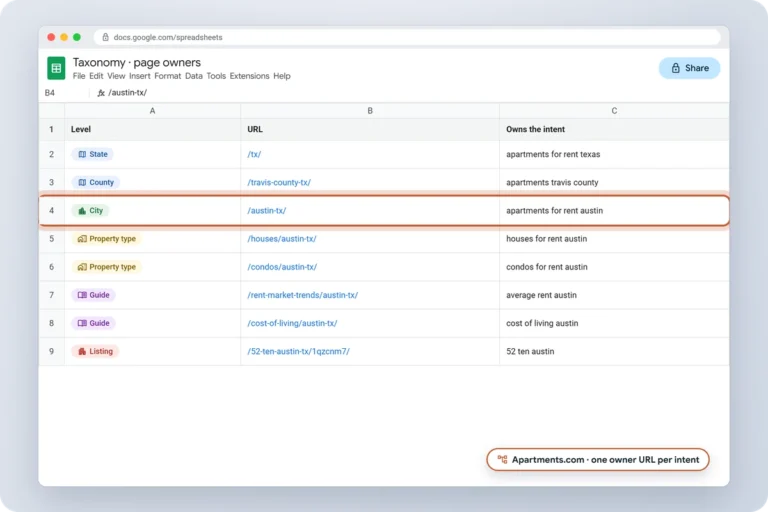
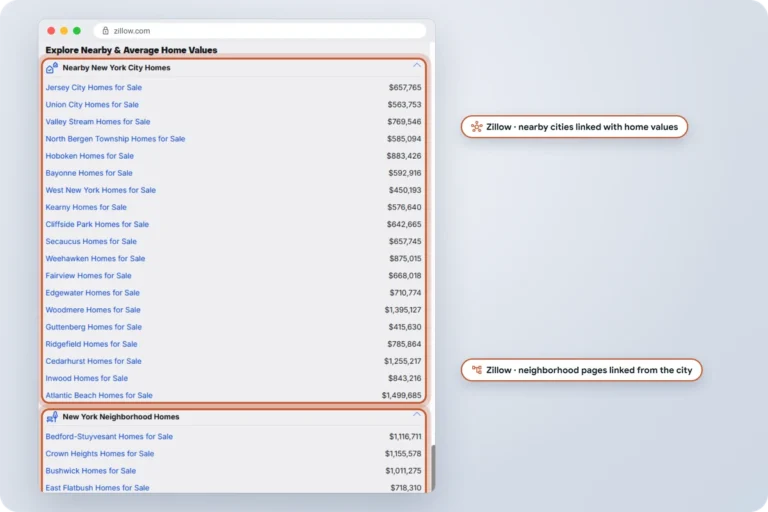
Site taxonomy classifies services, categories, products, topics, locations, brands, and resources. Each page type needs a distinct role, with one primary owner for each important search intent. Parent-child relationships, navigation, breadcrumbs, tags, filters, and URL patterns should reinforce that ownership instead of creating duplicate or disconnected destinations.
02
Internal Linking Connects Priority Pages and Entities
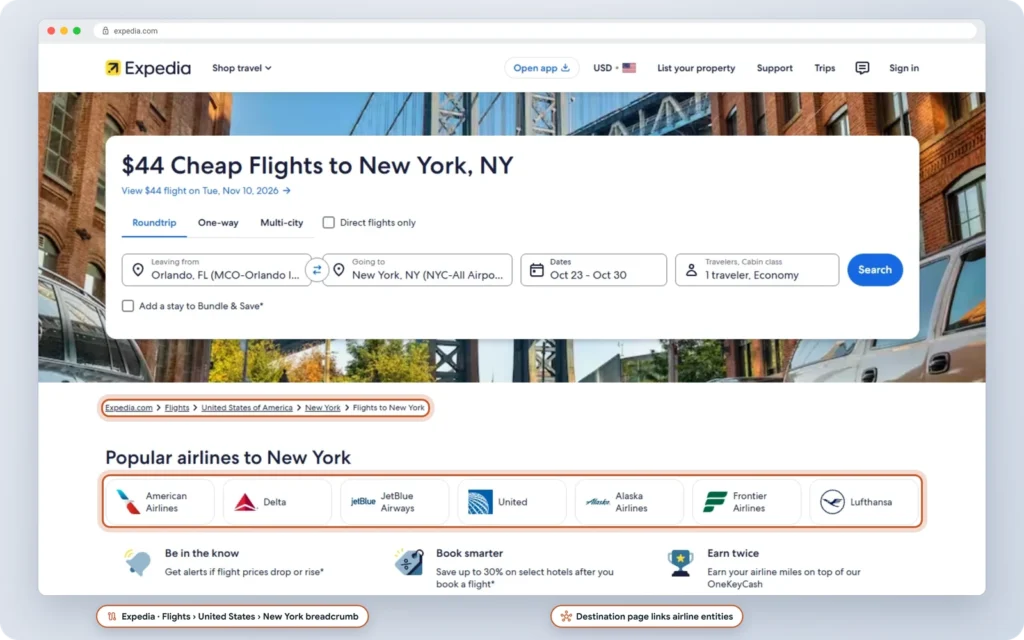
Internal links turn the taxonomy into crawlable paths. Descriptive anchors help visitors and search systems understand a destination, while hubs, breadcrumbs, navigation, related modules, and contextual links express hierarchy and subject relationships. The model should identify orphaned URLs, excessive click depth, competing anchors, broken links, and authority trapped on retired pages.
03
External Backlinks Add Independent Authority Context
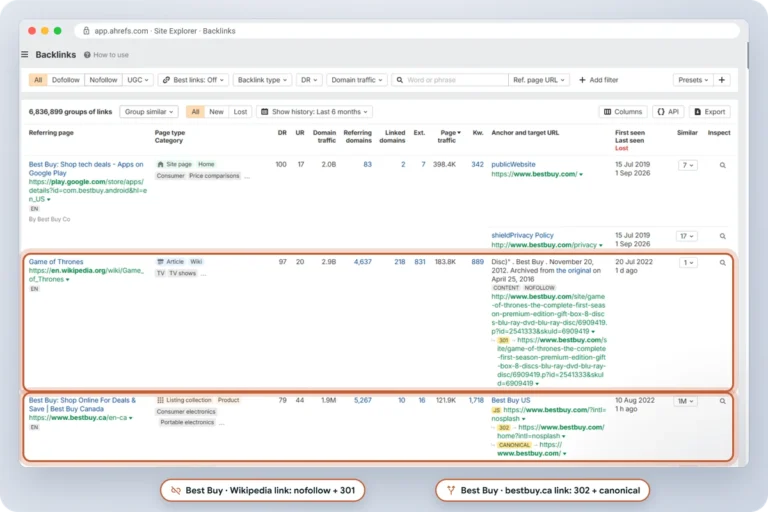
External backlinks add discovery and authority context that a site cannot create for itself. Their practical value depends on the source, surrounding content, destination, anchor, and reason for the reference. Backlink analysis must also confirm that cited URLs remain live, canonical, accurate, and connected through internal links to relevant priority pages.
04
Entity Building Aligns Names Attributes and Relationships
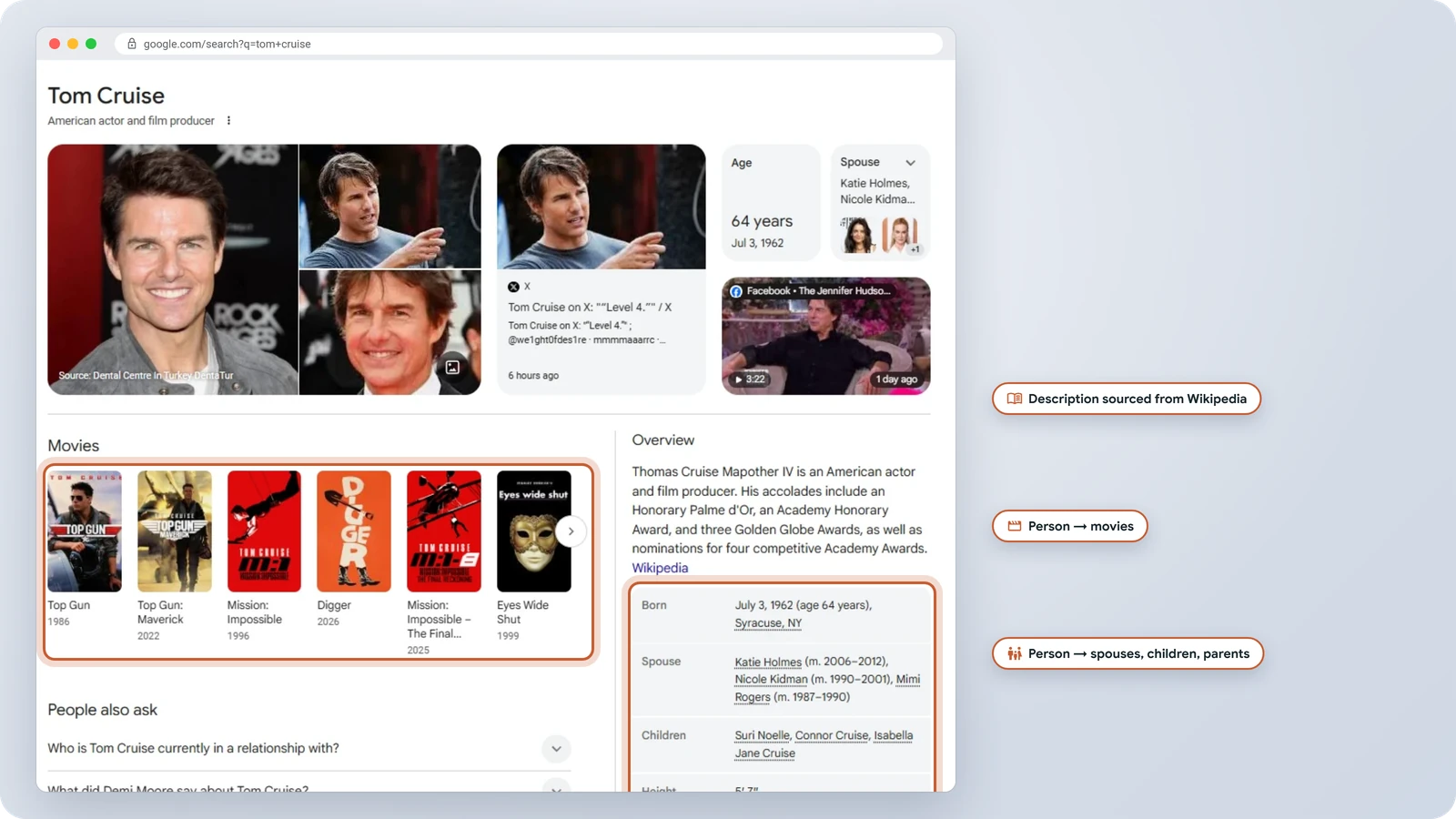
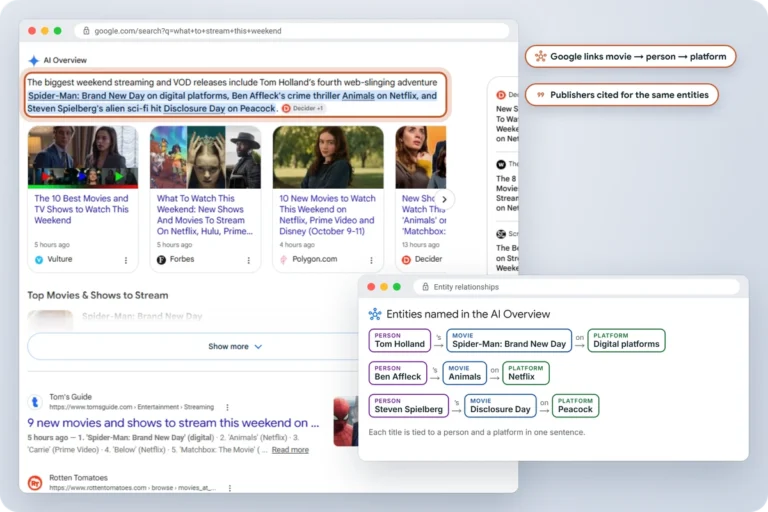
Entity building identifies the organizations, people, services, products, brands, locations, categories, and topics represented on the site. Each entity needs a stable name, identifier, authoritative page, defining attributes, and clear relationships. Page copy, navigation, schema, feeds, APIs, media metadata, and external profiles should not describe the same entity differently.
05
Structured Data and Catalog Attributes Reinforce Entity Clarity
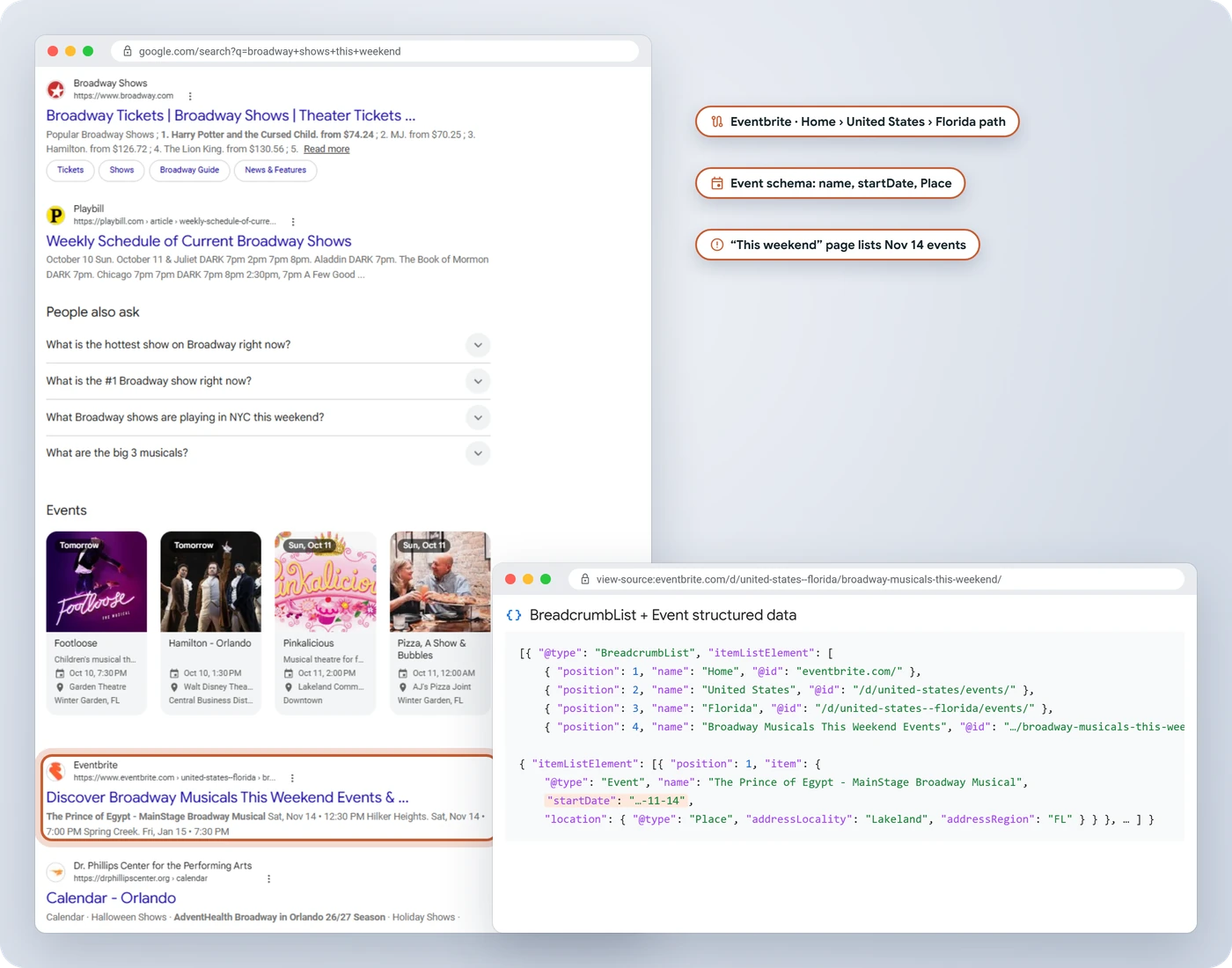
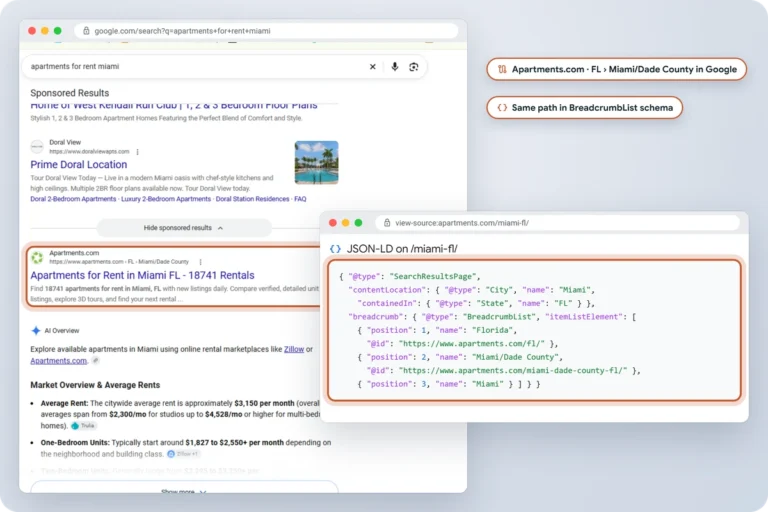
Structured data should label facts that are visible on the page, while controlled catalog attributes keep categories, filters, product pages, feeds, and internal search aligned. Organization, Product, and ProductGroup markup can clarify applicable entities and relationships, but technically valid markup cannot correct inaccurate names, identifiers, categories, variants, prices, or source data.
06
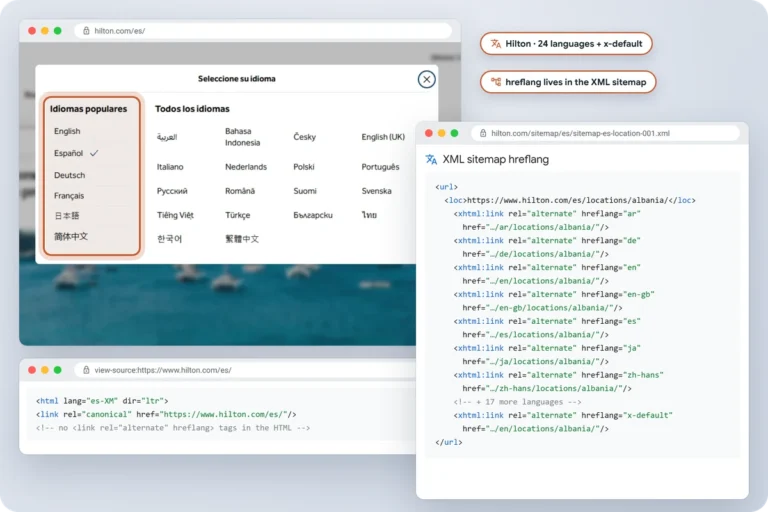
Hreflang Connects International Page Versions
Hreflang associates equivalent pages created for different languages or regions. Every alternate should use a stable canonical URL and participate in a complete reciprocal set, including a self-reference. Invalid codes, redirects, missing return annotations, noncanonical destinations, and inconsistent alternate sets can prevent the relationship from being interpreted as intended.