
Evidence-led organic search

SEO Services for Sustainable Organic Search Growth

Technical, content, competitor, and search-performance evidence is translated into a prioritized plan for improving visibility, attracting qualified traffic, and measuring what changes after implementation.
Google results for apartments for rent Miami with Apartments.com ranking first and cited in the AI Overview, beside ChatGPT and Claude answers citing Apartments.com
On this page
    Add a header to begin generating the table of contents
    Scroll to Top

    SEO Services Connect Search Visibility With Business Priorities

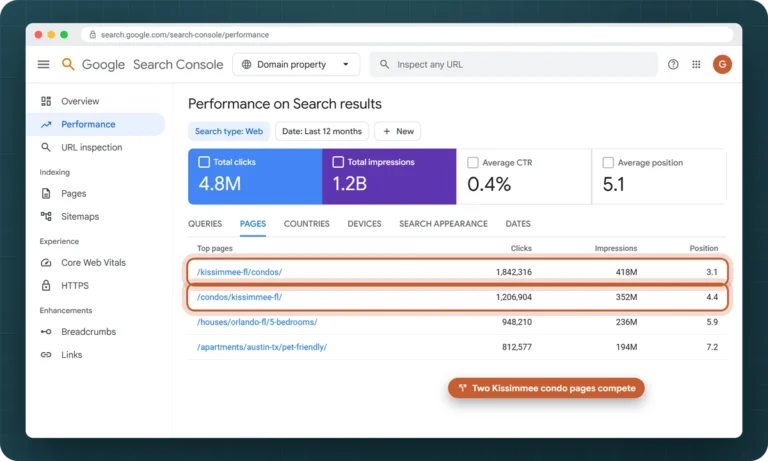
    SEO services should begin with evidence, not a predetermined list of tactics. Rankings, traffic, leads, and revenue can decline for different reasons, and the same recommendation will not solve every search-performance problem. A useful strategy first establishes what is happening, which pages and queries are affected, and where organic search supports the wider business.

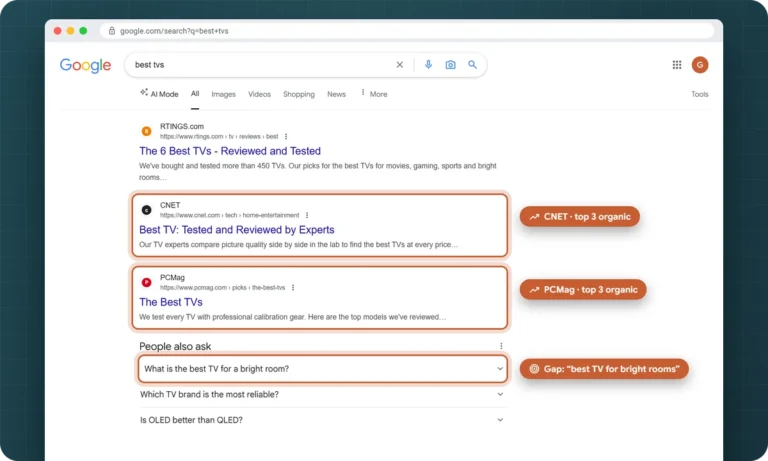
    A comprehensive review connects technical accessibility, search demand, content quality, page intent, internal linking, authority signals, competitor visibility, and performance data. These areas cannot be evaluated independently. A page may be technically accessible but poorly aligned with search intent. Strong content may remain difficult to discover because of weak site architecture. Traffic may increase without reaching the audiences most likely to become customers.

    The purpose of an SEO audit is therefore not to produce the longest possible list of warnings. It is to distinguish meaningful constraints from low-impact observations and convert the findings into an ordered roadmap. Each recommendation should explain the problem, the evidence supporting it, the expected outcome, the implementation dependency, and the method used to validate the result.

    SEO strategy provides the decision layer. It determines which technical corrections should happen first, which existing pages deserve improvement, where new content is justified, and which opportunities are unlikely to warrant the required resources. This creates a search program that can be implemented, measured, and adjusted as search behavior, competitors, and business priorities change.

    What's included

    Comprehensive SEO Audits for Search Performance

    A useful SEO audit explains how technical access, search demand, content, competition, site structure, and measurement interact. Reviewing these areas together prevents isolated recommendations from becoming disconnected tasks with no clear business priority.
    How it works

    SEO Strategy Turns Audit Findings Into a Prioritized Roadmap

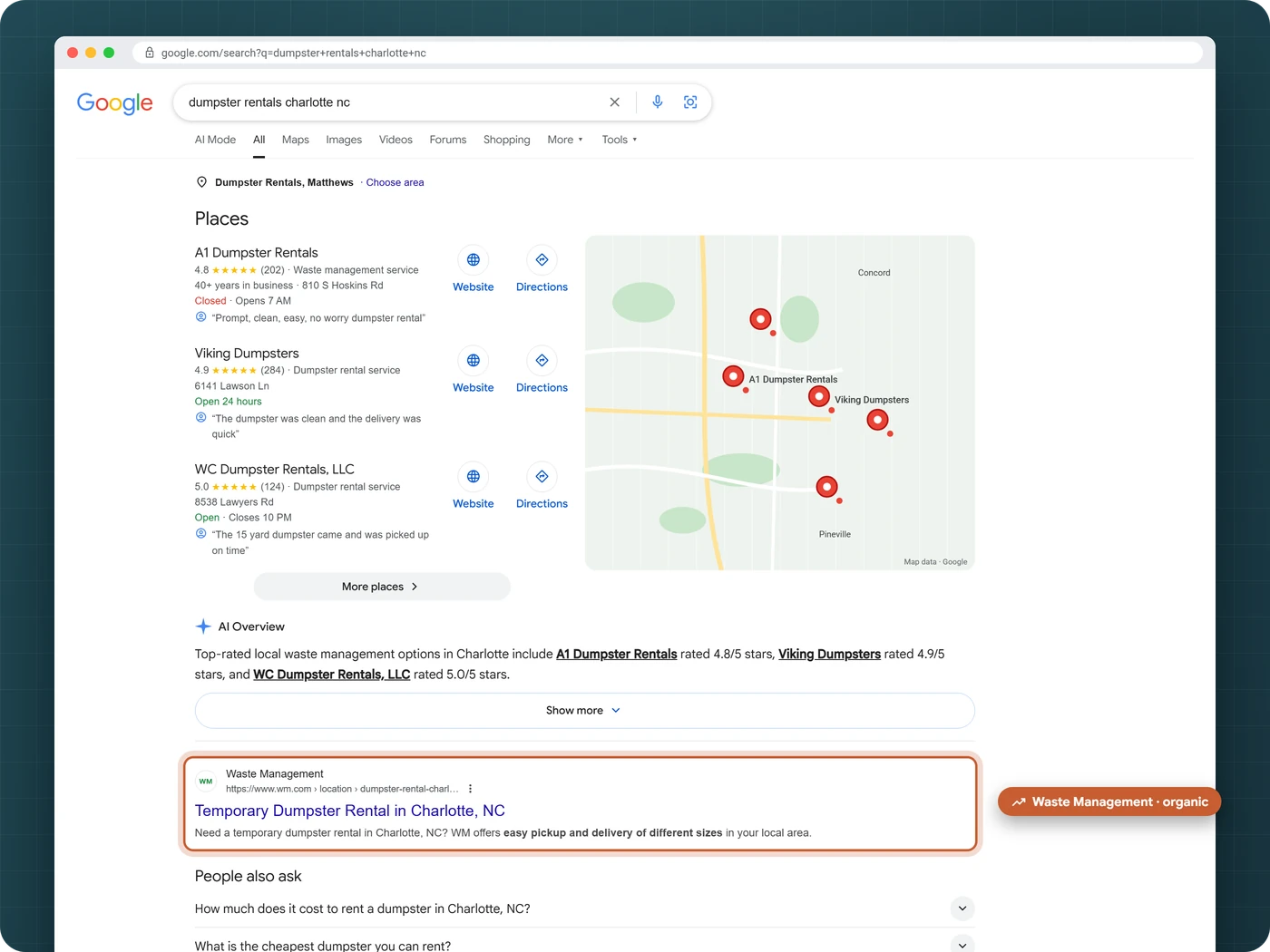
    Google results for dumpster rentals Charlotte NC with the Places map, AI Overview and Waste Management's organic result
    Step 1 · Baseline

    SEO Performance Baselines Establish What Is Actually Changing

    Search Console, analytics, rankings, landing pages, conversions, measurement continuity, recent releases, migrations, seasonality, and known algorithm changes are reviewed before conclusions are drawn. The baseline defines the current condition and the evidence available for comparison.
    Step 2 · Diagnosis

    SEO Diagnosis Separates Visibility Symptoms From Root Causes

    Technical, content, query-to-page, competitor, internal-linking, authority, and conversion evidence is compared to determine why performance is constrained. Similar symptoms can come from different causes, so findings are tested before they become recommendations.
    Step 3 · Prioritization

    SEO Roadmap Prioritization Balances Impact, Confidence, and Effort

    Recommendations are ordered by likely impact, strength of evidence, implementation effort, business relevance, dependencies, and measurement readiness. This keeps urgent constraints, growth opportunities, and lower-confidence ideas from competing as if they carried equal value.
    Step 4 · Validation

    SEO Validation Measures Implementation and Search Outcomes

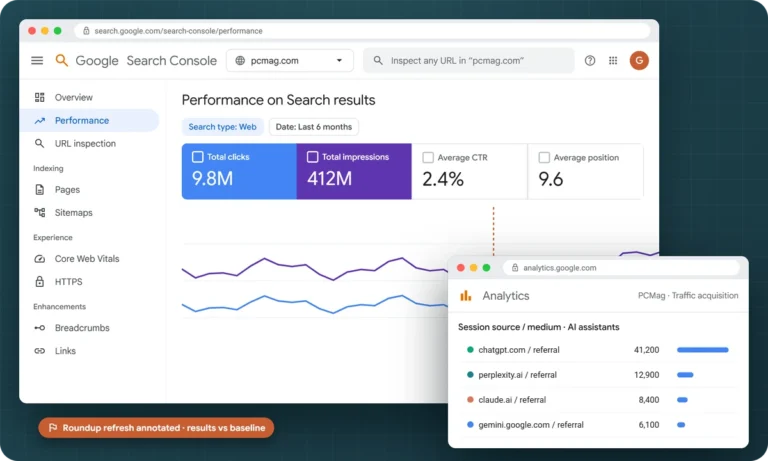
    Deployment is confirmed before performance is judged. Release dates are annotated, affected URLs and templates are checked, and relevant visibility, traffic, engagement, and conversion measures are monitored against the baseline so priorities can be reassessed with evidence.
    Engagement options

    SEO Roadmap Priorities Depend on Impact, Confidence, and Resources

    An effective roadmap separates urgent constraints, defensible growth opportunities, and changes that require observation before more work is justified.
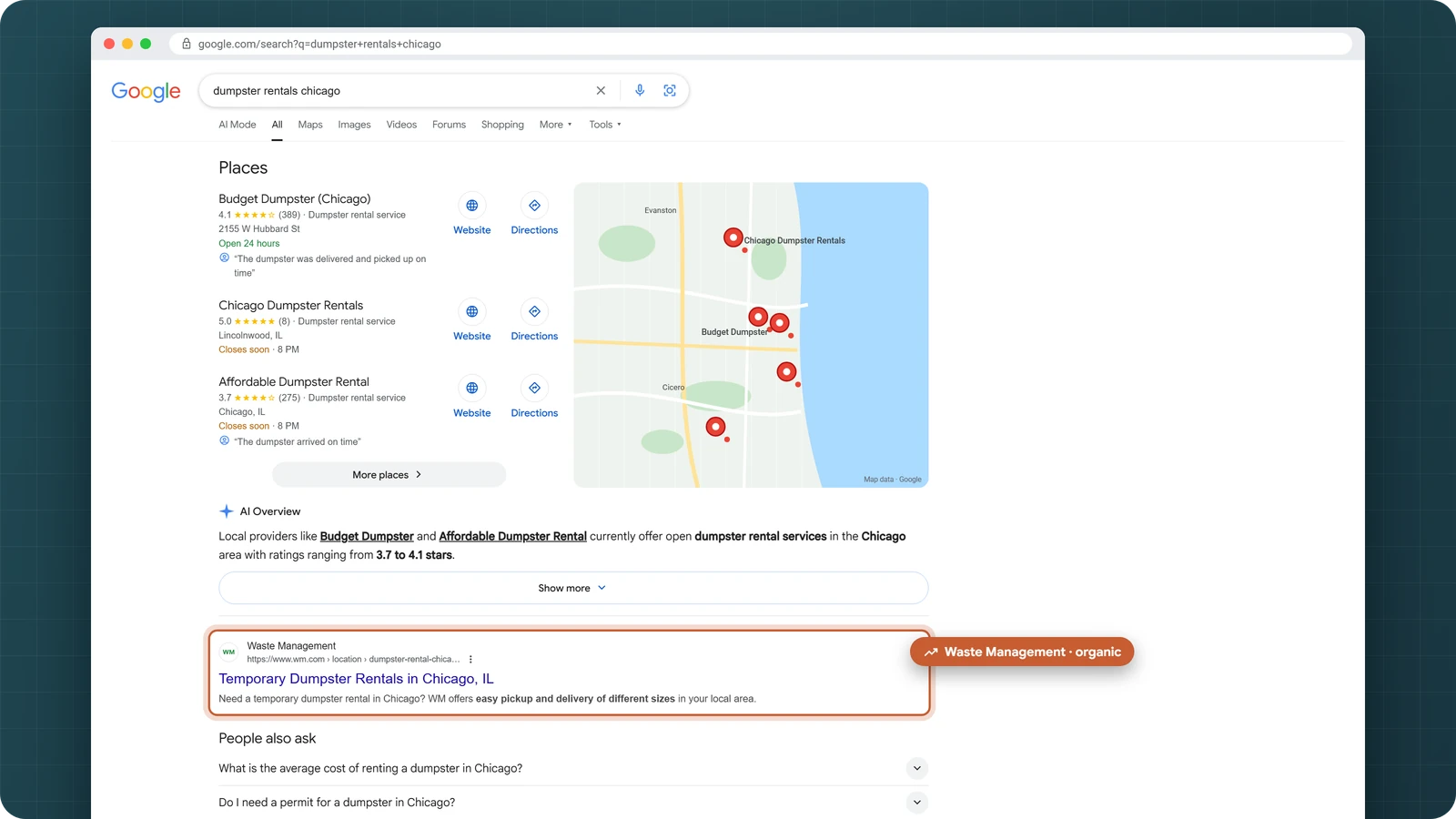
    Google results for dumpster rentals Chicago with the Places map, AI Overview and Waste Management's organic result

    Correct Critical Search Constraints

    Problems that prevent important pages from being discovered, interpreted, ranked, or measured receive priority when evidence shows material impact.
    Most common

    Develop High-Value Search Opportunities

    Growth work focuses on demand that fits the business, pages that can realistically compete, and content or structural improvements supported by evidence.

    Monitor Outcomes and Reassess Priorities

    Search conditions change after implementation, algorithm updates, competitor activity, site releases, and shifts in demand. Monitoring shows whether the original diagnosis remains valid and where the roadmap should change.
    FAQ

    SEO Audit and Strategy Questions Business Owners Ask

    Professional SEO services can include technical analysis, keyword and intent research, content auditing, competitor analysis, internal linking review, performance measurement, roadmap development, implementation support, and validation. The exact mix should be based on evidence from the site and its market rather than a fixed checklist.
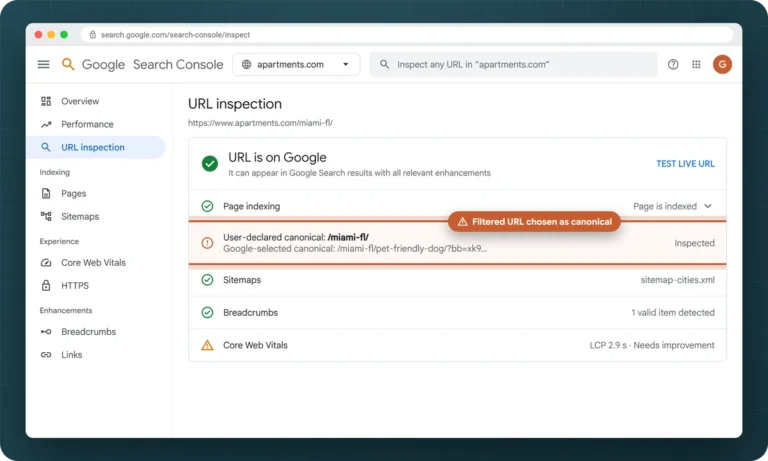
    A comprehensive SEO audit should examine crawling, indexation, rendering, canonical signals, site performance, structured data, search demand, page intent, content quality, internal linking, competitor visibility, authority signals, analytics, and conversions. Findings should be prioritized by impact, confidence, effort, dependency, and business relevance.
    SEO strategy is prioritized by combining evidence of the problem or opportunity with likely business impact, implementation effort, technical dependencies, competitive difficulty, and the ability to measure the outcome. Critical access or measurement failures usually come before expansion work, while uncertain recommendations should be tested or monitored before receiving large investments.

    Related SEO Capabilities That Support Organic Search Growth

    Scroll to Top